What ginger is
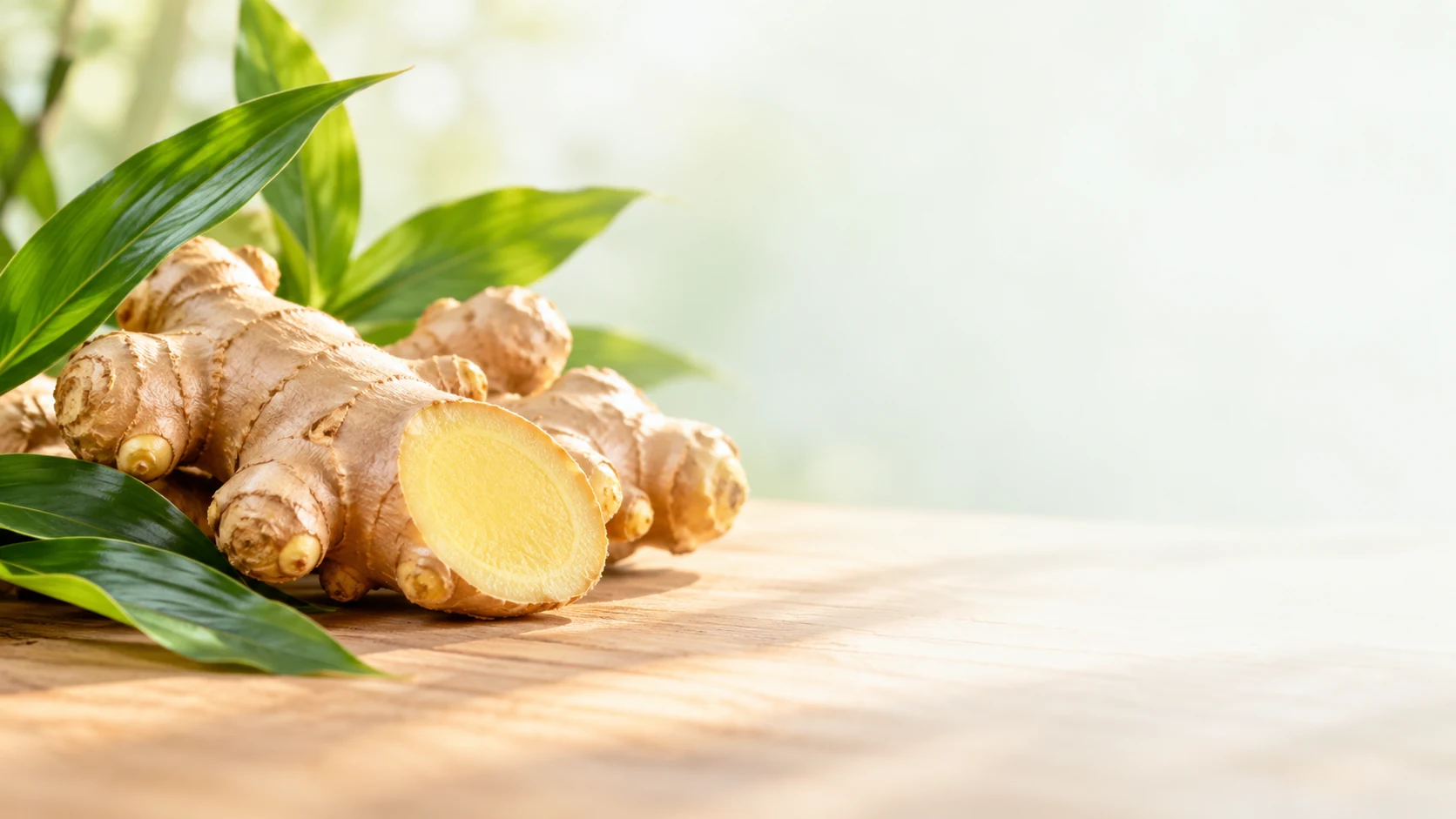
Ginger is the edible underground stem, or rhizome, of Zingiber officinale, a plant in the Zingiberaceae family. The familiar name “ginger root” describes its appearance but is botanically imprecise. Its pale flesh has a pungent, aromatic flavour. A botanical name matters when buying plants: unrelated plants called wild ginger are not culinary substitutes. Using a recognised food product is safer than identifying a wild plant by a common name alone.
Everyday uses and concentrated products
Fresh ginger can be sliced, grated or chopped into soups, vegetables, curries and baked dishes. Dried powder is convenient for spice mixtures, while an infusion is prepared by steeping food-grade ginger in hot water. Sweetened drinks and candied ginger are also foods; their sugar content deserves attention. A product labelled ginger may contain additional ingredients, so its name alone does not describe the whole product. [7]
A capsule, extract or concentrated shot is a different exposure from a small amount used to flavour a meal. Preparation, concentration and accompanying ingredients vary. Neither a strong taste nor a large stated amount demonstrates superior benefit. This article does not prescribe a medicinal dose or a supplement regimen.
What nausea research can tell us
A 2001 placebo-controlled pregnancy trial enrolled 70 participants for four treatment days and reported reduced symptoms [1]. Another pregnancy trial compared ginger with vitamin B6 [2]. These findings concern studied preparations and selected participants, not every cause of nausea. Short studies and limited participant numbers cannot establish rare risks or guarantee safety throughout pregnancy.
Research has also examined ginger alongside standard anti-nausea treatment during chemotherapy [3]. That question is distinct from treating cancer. A favourable symptom result does not justify replacing prescribed medication, and it cannot be transferred automatically to motion sickness, unexplained vomiting or a homemade beverage. Differences in study design, products and outcome measures complicate comparisons. [8]
Precautions and medicines
Pregnancy or breastfeeding is a reason to discuss concentrated products with a qualified clinician before use. University safety information also flags gallbladder problems and possible medicine interactions [4]. People taking anticoagulants or antiplatelet medicines, including warfarin, should disclose ginger supplements to their care team [5]. Evidence does not establish one predictable interaction for every product or person.
A small controlled study in healthy volunteers did not detect a significant warfarin interaction [6]; it does not remove the need for caution in patients with different illnesses and medicines. Diabetes medicines, planned surgery and existing digestive symptoms also warrant an individual review. Do not stop a prescribed medicine or choose a stopping interval from this article. Heartburn or stomach discomfort after a product is a reason to reassess it. Persistent vomiting, inability to keep fluids down or signs of dehydration require medical assessment.
A practical synthesis
Ginger is first a flavourful food ingredient. Nausea research offers specific signals of benefit with meaningful limits. Read the ingredient list, separate culinary enjoyment from a treatment claim, and seek advice when pregnancy, illness or medication makes a concentrated product a different decision. The references provide the evidence behind this account, not a promise of benefit for an individual.
Summary
Explore culinary ginger, findings from nausea trials, the difference from concentrated supplements, and precautions for pregnancy and medicines.
Important note
Discuss concentrated products during pregnancy or breastfeeding with a qualified clinician before use. Tell your care team about supplements when taking anticoagulant or diabetes medicines; do not replace prescribed treatment.
This article provides educational information and does not replace advice from a qualified healthcare professional.
Sources and references
- Food and Supplement Interactions with Warfarin · Read source — UC San Diego Health
- Ginger, Zingiber officinale · Read source — University of Wisconsin–Madison Division of Extension
- Effect of ginkgo and ginger on the pharmacokinetics and pharmacodynamics of warfarin in healthy subjects · Read source — British Journal of Clinical Pharmacology
- Ginger for nausea and vomiting in pregnancy: randomized, double-masked, placebo-controlled trial · Read source — Obstetrics & Gynecology
- A randomized controlled trial of ginger to treat nausea and vomiting in pregnancy · Read source — Obstetrics & Gynecology
- Ginger (Zingiber officinale) reduces acute chemotherapy-induced nausea: a URCC CCOP study of 576 patients · Read source — Supportive Care in Cancer
- Ginger Benefits · Read source — Johns Hopkins Medicine
- Ginger — Herbal Safety · Read source — The University of Texas at El Paso